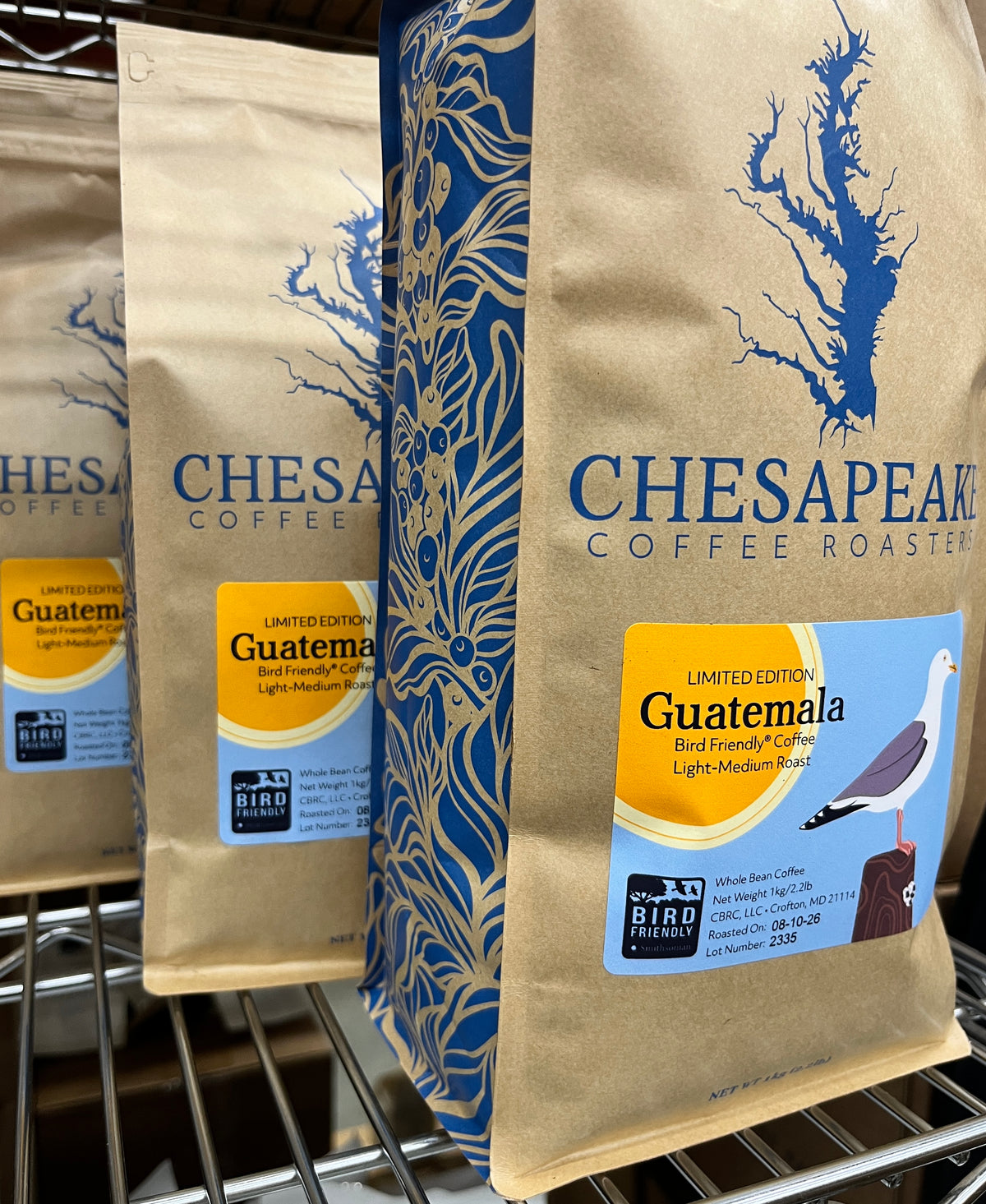
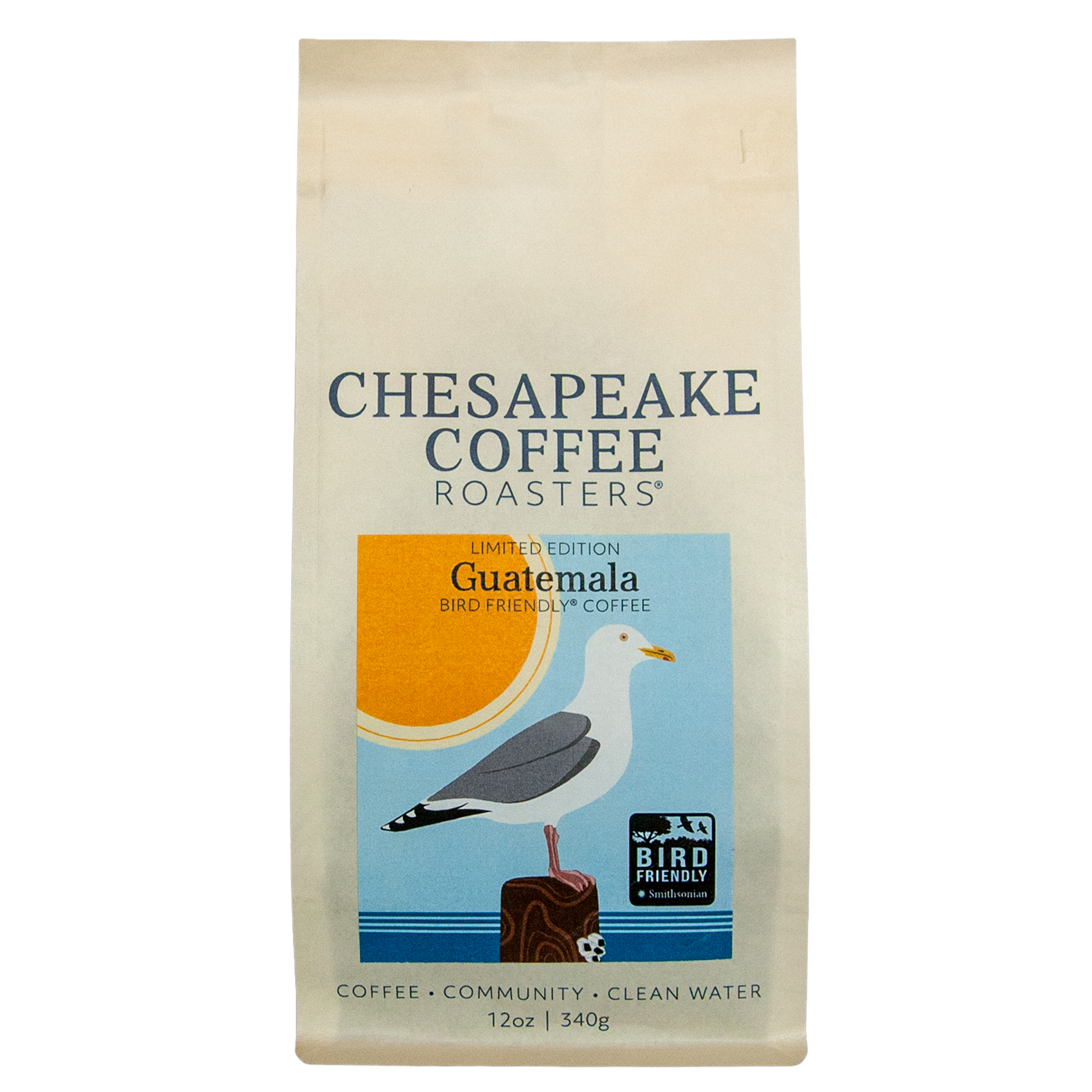
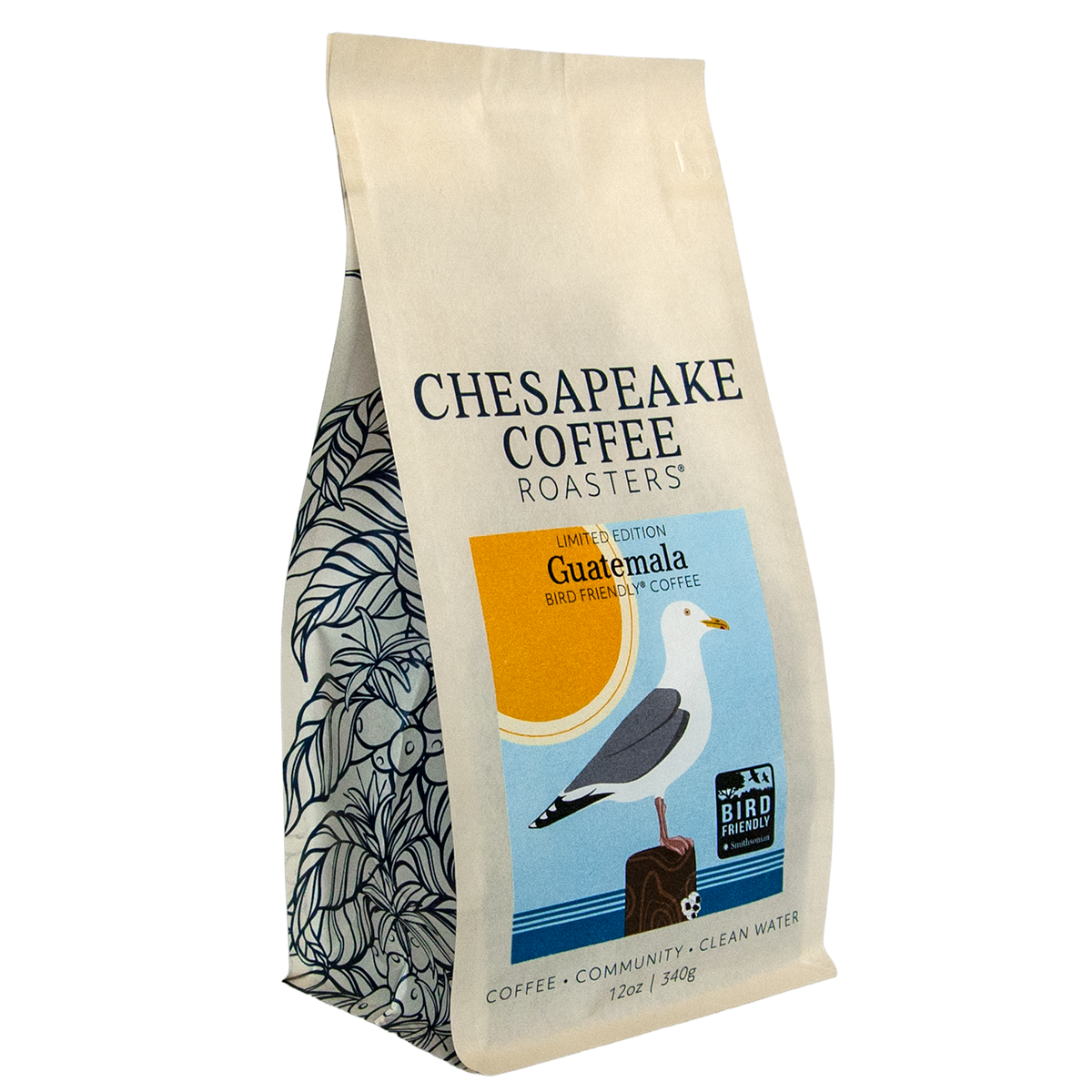
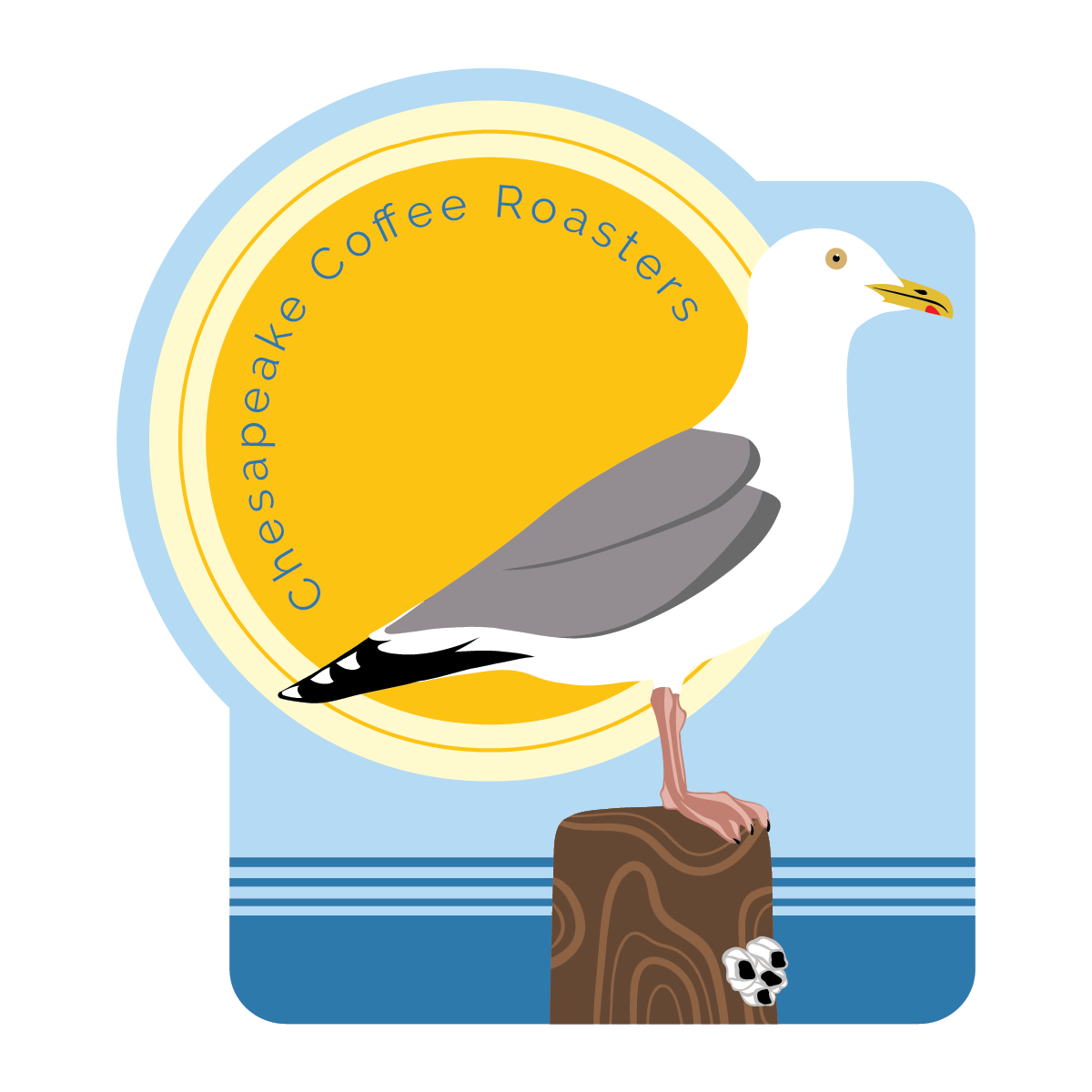
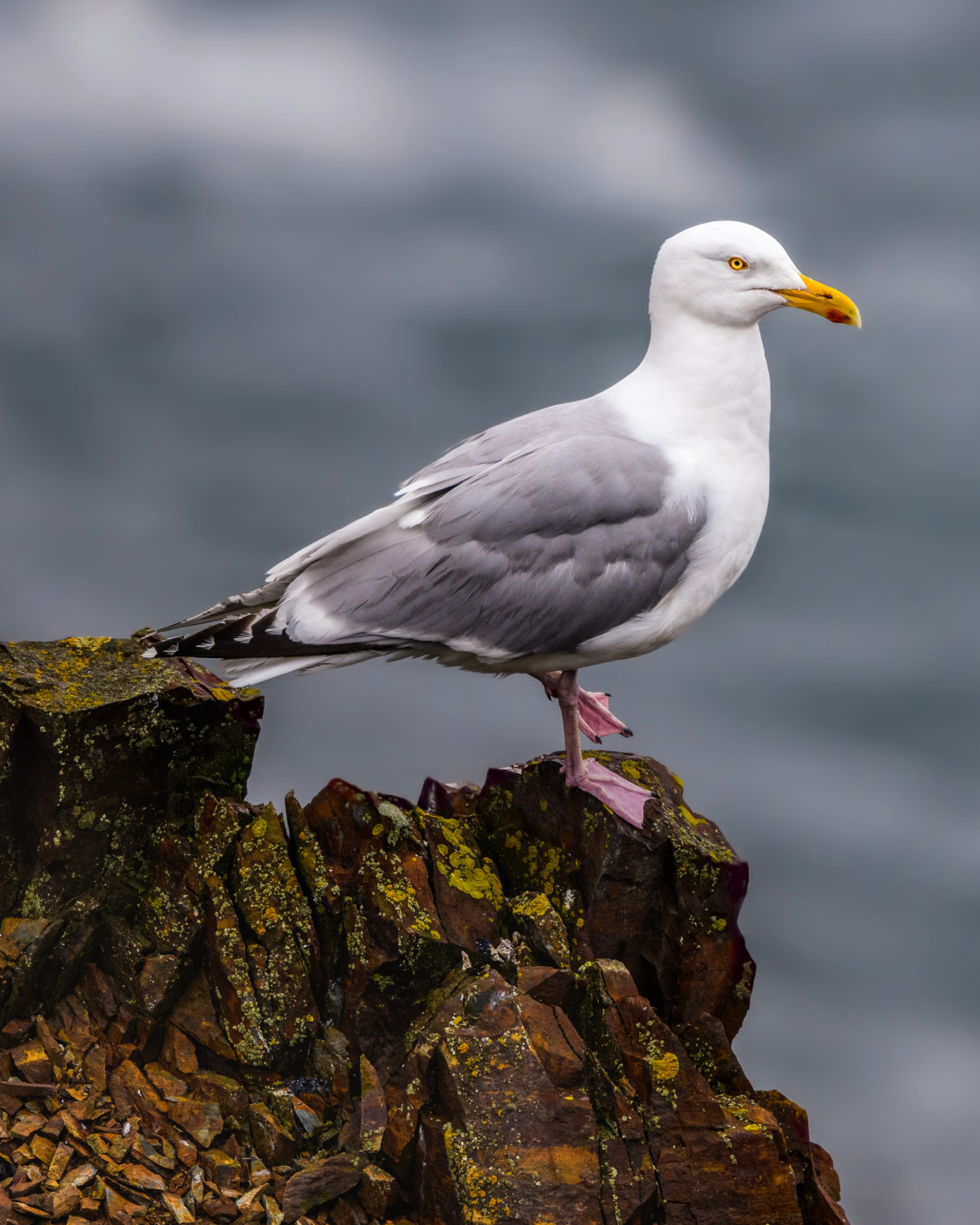
American Herring Gulls are the most familiar gulls of the North Atlantic, recognized by their quintessential gray-and-white feathers and pink legs. They can be found along coastal shorelines, feeding on beaches, flying above a fishing boat, or squabbling at a dock or parking lot. They are loud, competitive, and opportunistic scavengers, eating marine invertebrates, fish, and insects, and they often follow large predators (including fishing boats) that bring small fish, squid, and zooplankton to the surface. They spend hours bathing, preening, and "loafing" near food sources. Loafing is a term behaviorists use to describe a bird that isn't doing much of anything; many seabirds spend long hours this way. (sounds good to us!)
The American Herring Gull is listed as a "Common Bird in Steep Decline". They are too numerous or widely distributed to warrant watch-list status but have been experiencing troubling long-term declines, with human activities the main threats to local populations.
Fun Fact: "Seagull" is a popular common name used by the public to describe birds within the Laridae (gull) family, but it does not single out a specific species. The accepted biological name used by scientists and bird experts is just "Gull," whether they live close to the ocean or not.