





LEARN MORE ABOUT
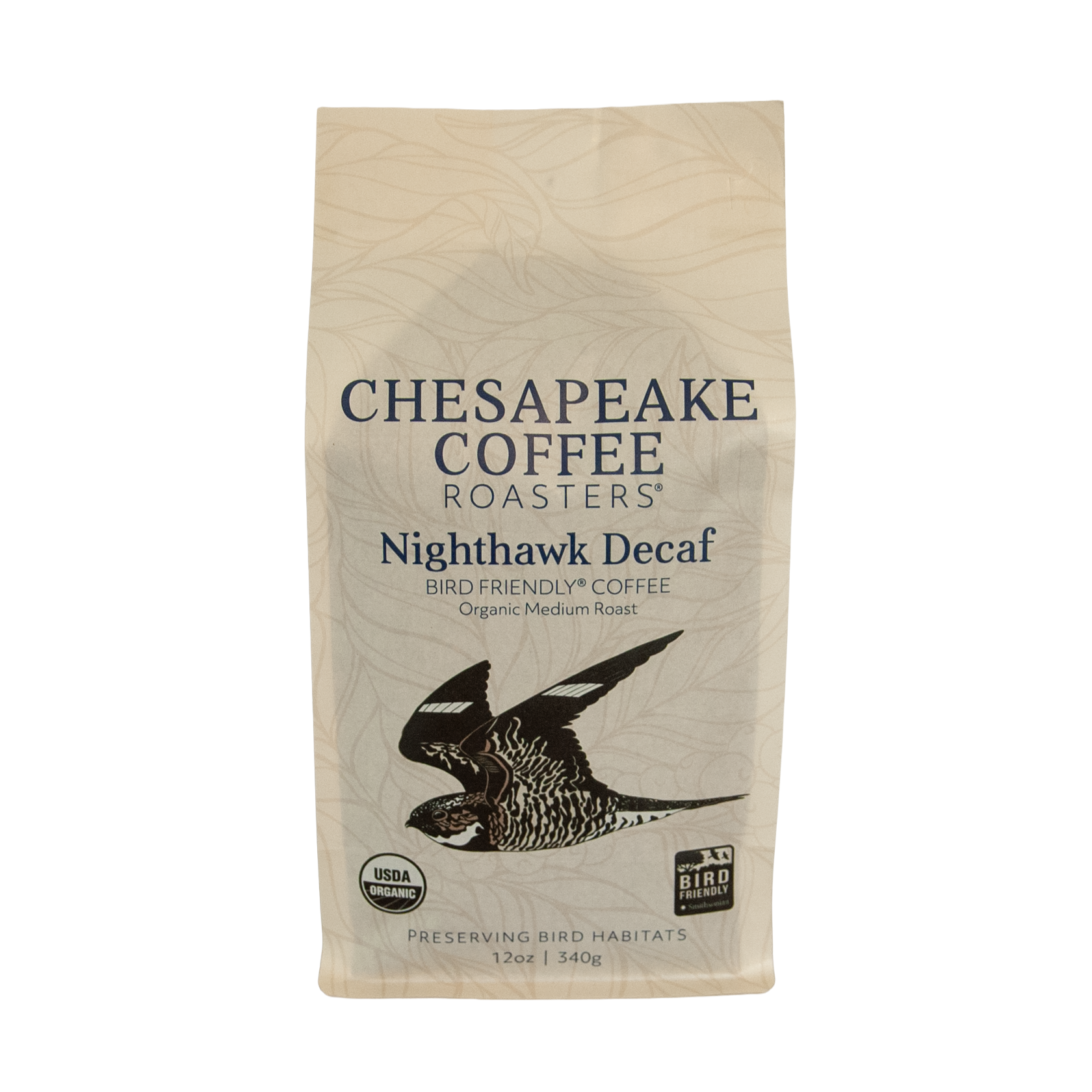
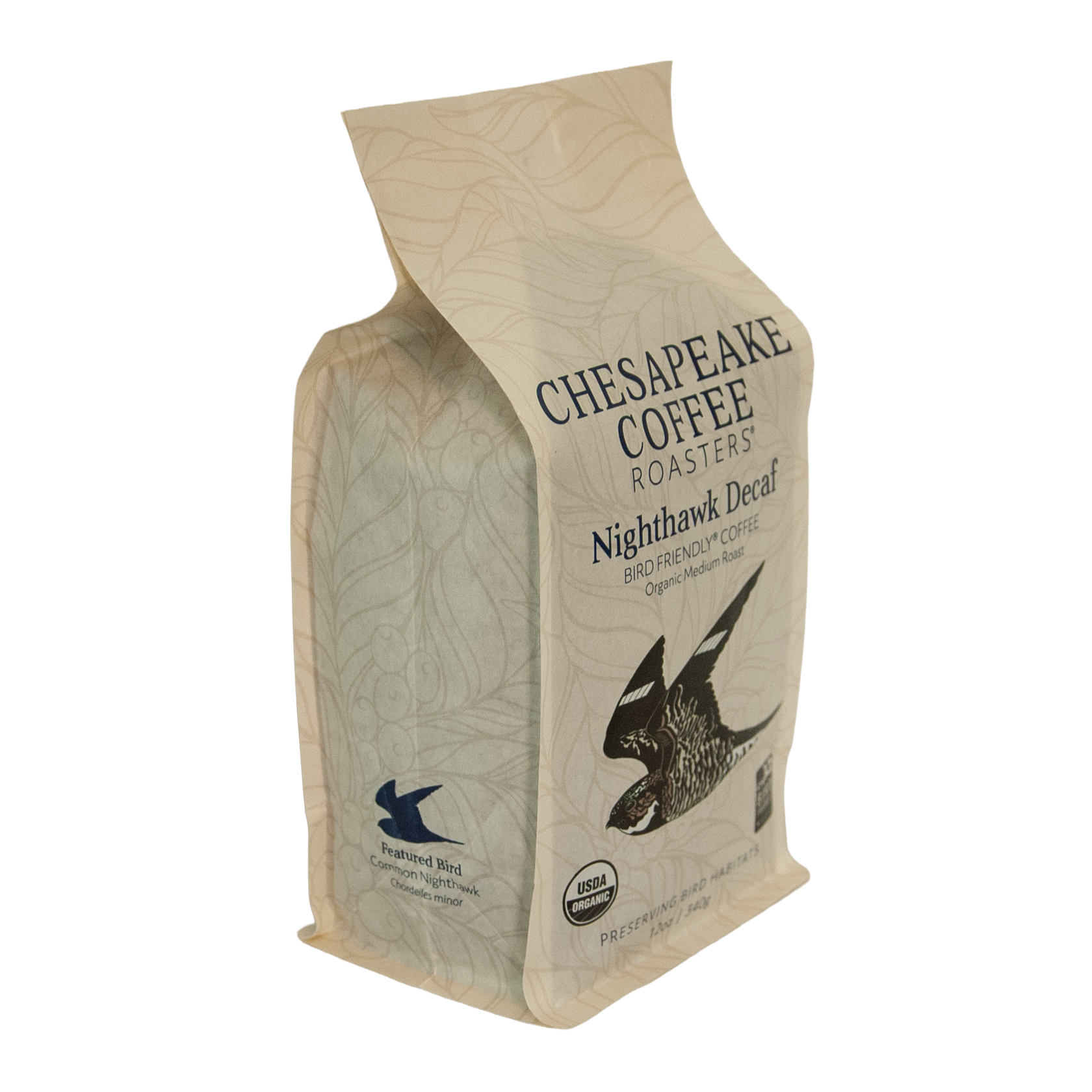
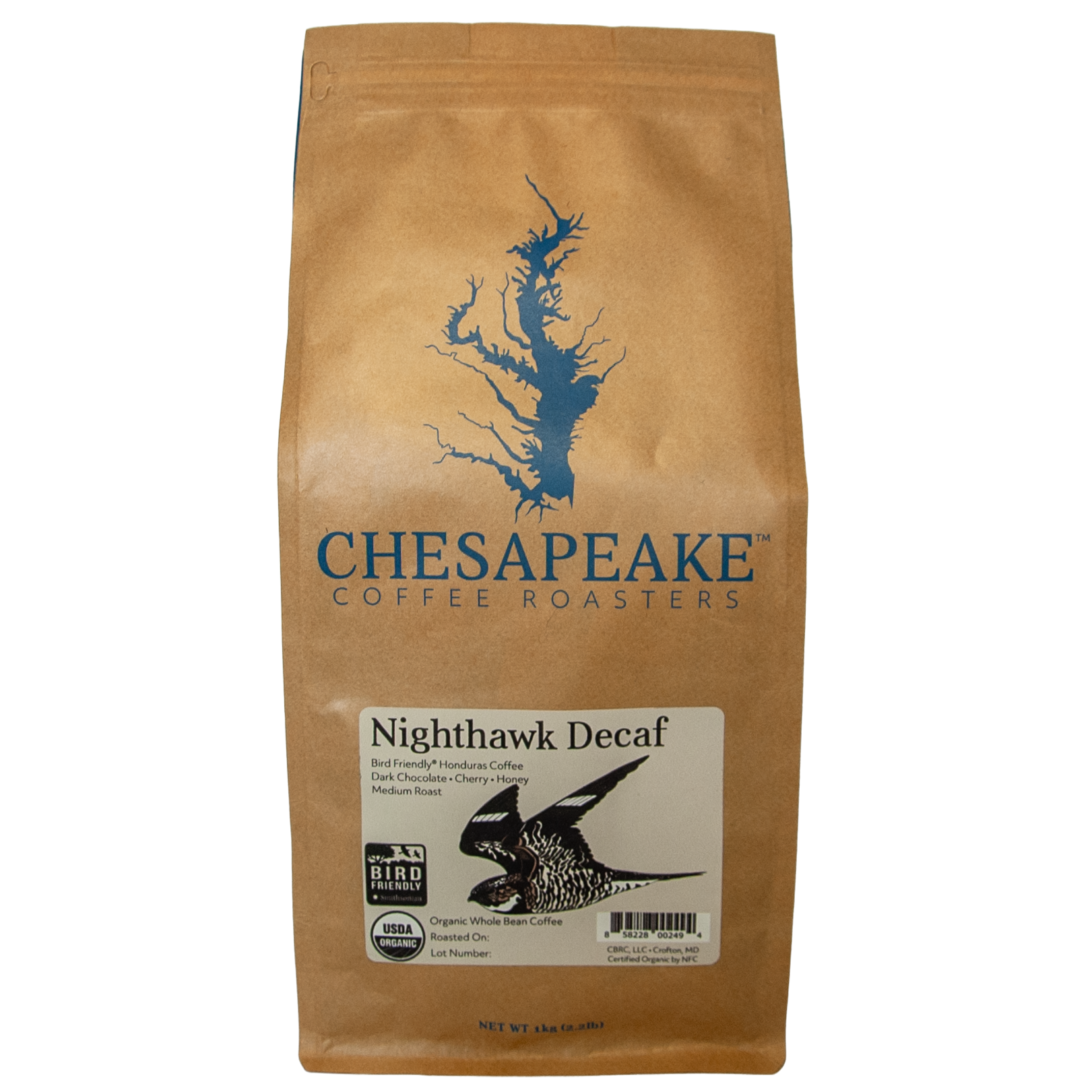
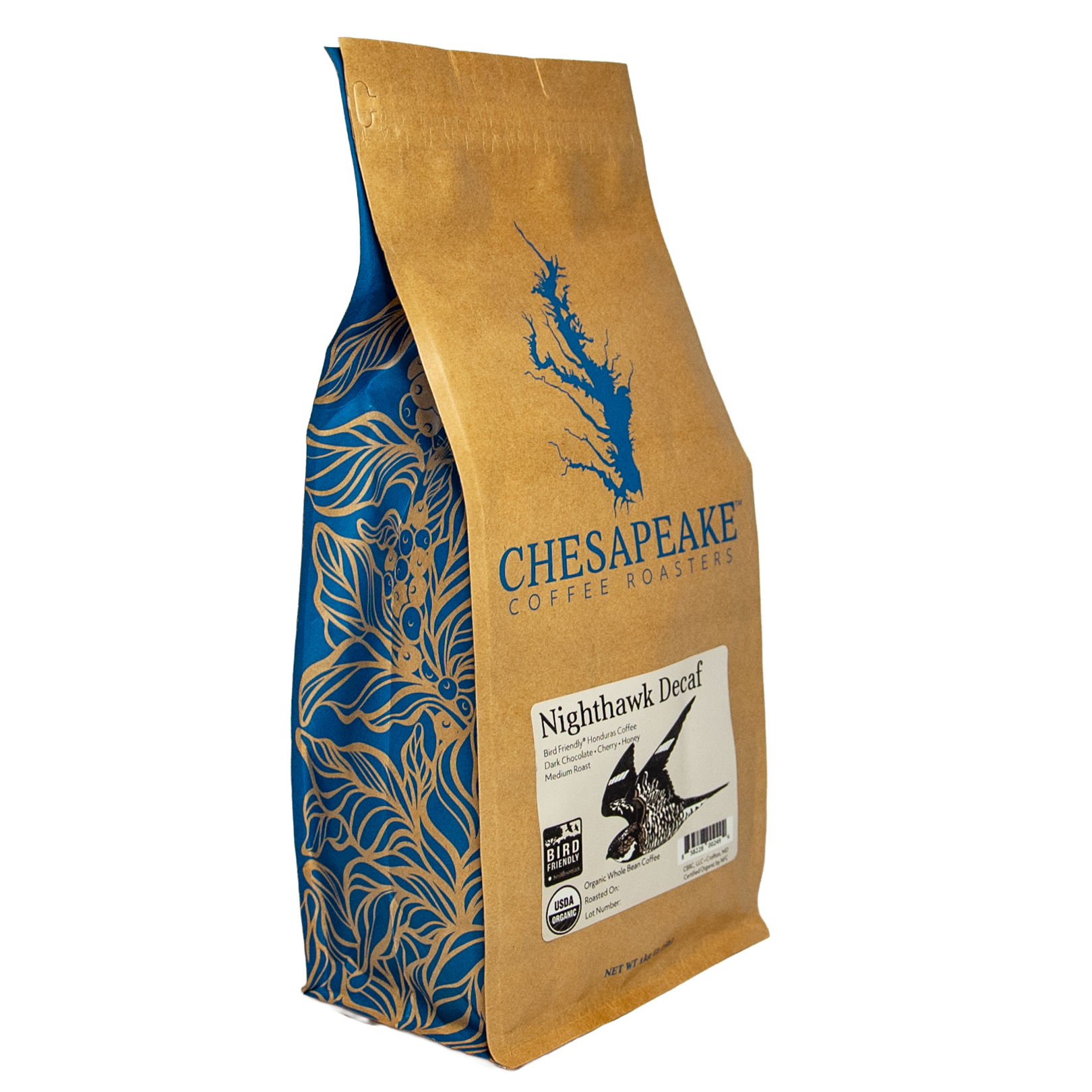
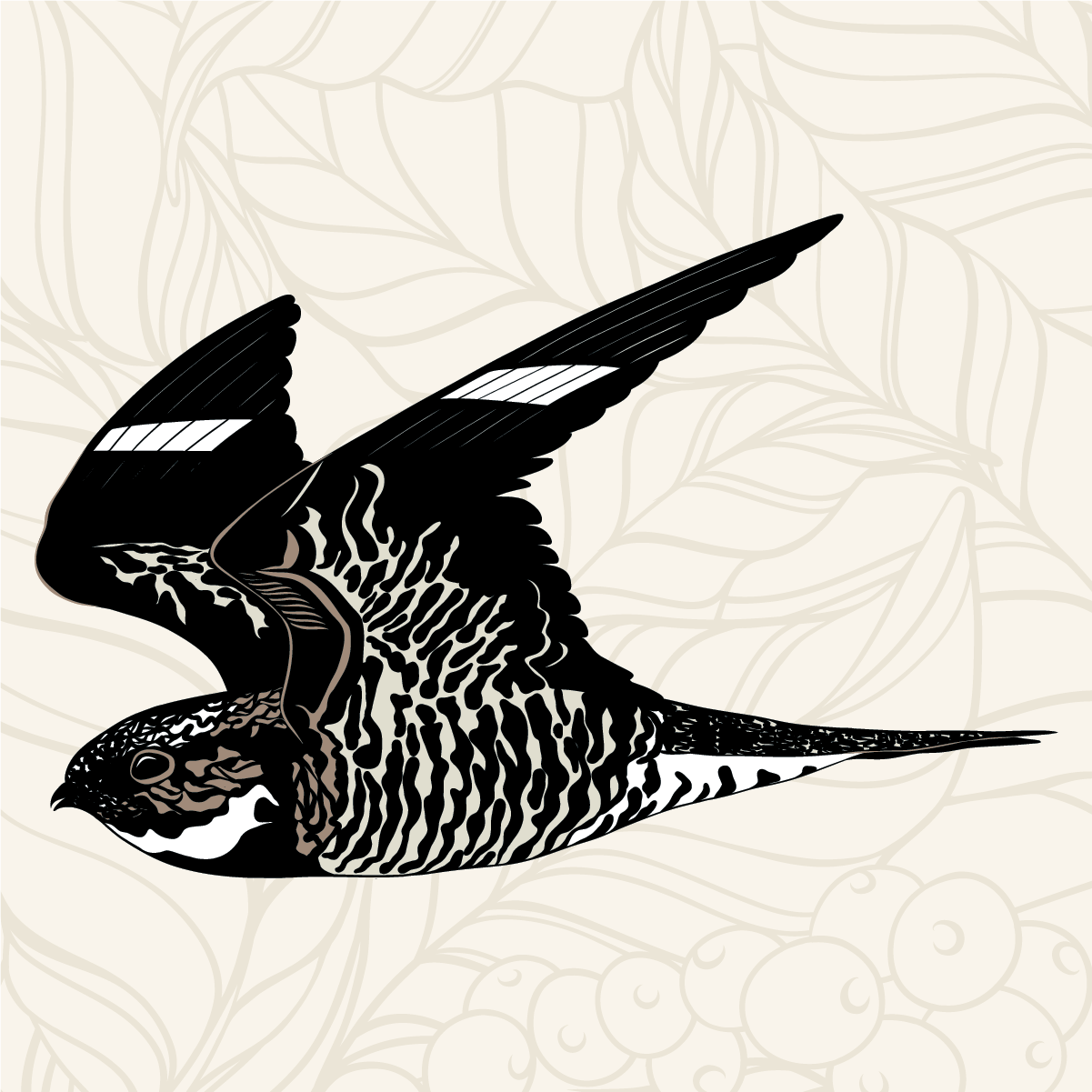
Nighthawk Decaf
Swiss Water believes that coffee drinkers deserve a choice in how their coffee is decaffeinated. The proprietary Swiss Water® Process gently removes caffeine using only water containing the soluble solids that naturally occur in green coffee—and never introduces chemical solvent residuals. The result is a high-quality process that preserves the unique origin flavors, taste, and characteristics of the coffee. Swiss Water maintains the sustainability of your supply chain, and is the only decaffeination company focused exclusively on a chemical-free process.
The result is amazing coffee without caffeine that everyone can feel good about choosing.
SWISS WATER® and SWISS WATER® Logo are trademarks of Swiss Water Decaffeinated Coffee Inc. used under license.
REGION
La Paz, Marcala
PROCESSING
The Swiss Water® Process is certified organic and is committed to processing without added chemicals.
ELEVATION
1300-1700 m
PRODUCER
Cafe Organico Marcala S.A. (COMSA) is a society of coffee producers founded in 2001. They are highly recognized locally, nationally, and internationally for their strong social responsibility and the quality of every sip of coffee it offers to the world.
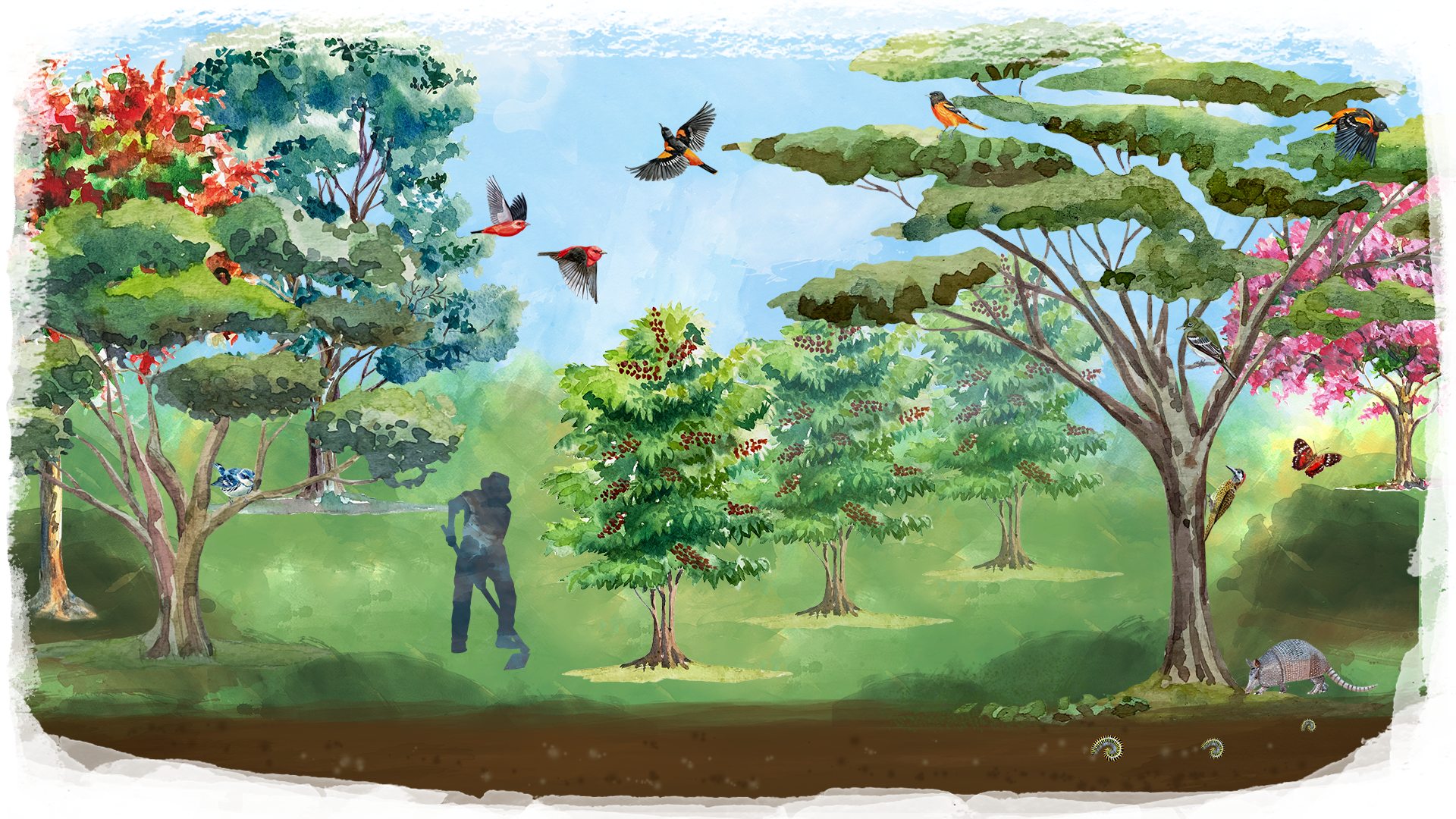
At COMSA, they promote life for the land through the implementation of organic agriculture, which is based on a production system fundamentally focused on maintaining the health of the soil, the surrounding ecosystems, and the people who depend on it. Furthermore, they protect the soil with organic material and promote biotechnologies to provide the necessary nutrients for crops using soil microorganisms.